Enquire Now



Enquire Now
 Published: August 18, 2026
Last Updated: August 18, 2026
Published: August 18, 2026
Last Updated: August 18, 2026
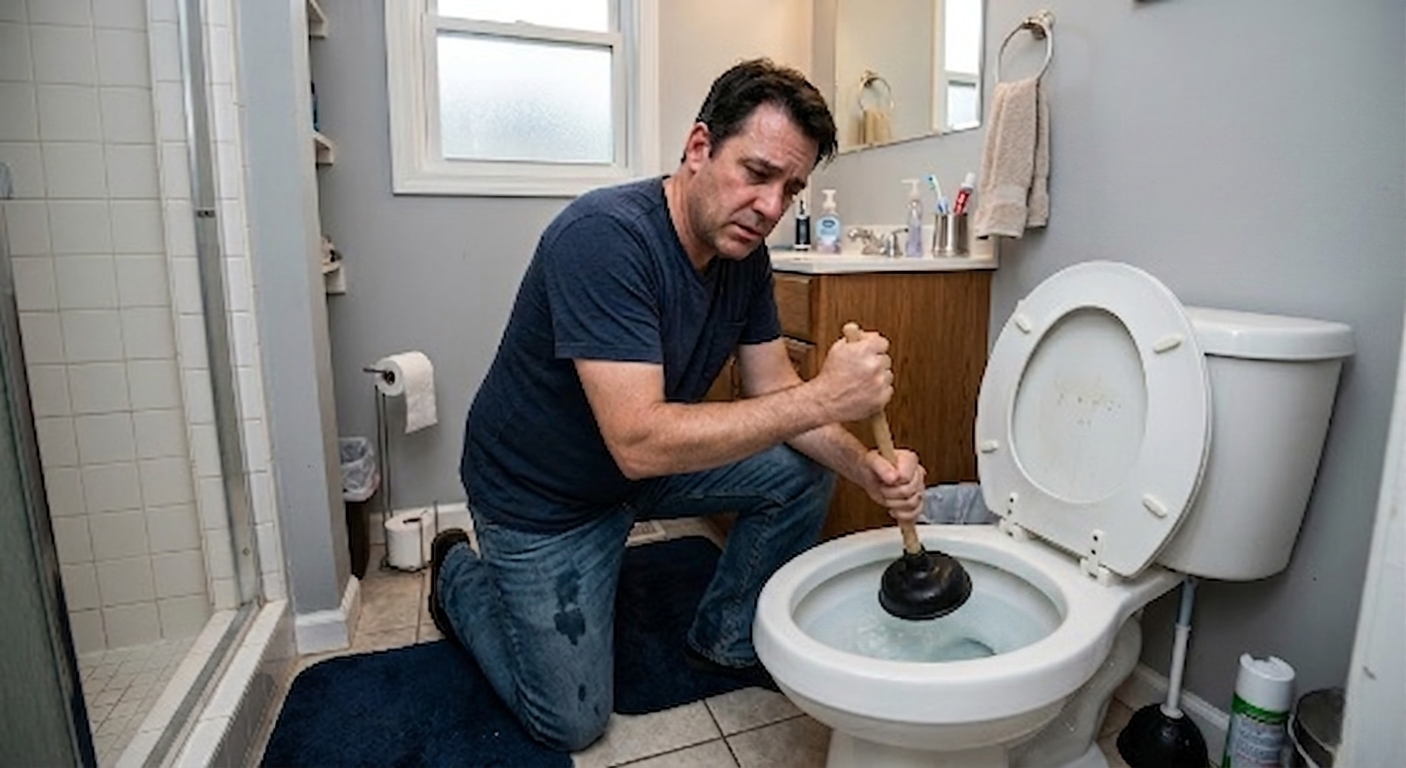
A clogged toilet may seem like a straightforward plumbing issue. Typically, you pick up a plunger and unclog the blockage. But some toilets clog again a few days or even hours later.
When clogs happen frequently, it may be a more serious issue with plumbing. The blockage can be located further down the drain line. Other times, issues may arise due to mineral deposits, fractures in pipes, or inadequate flushing capability.
Then why does your toilet continue to clog after you have unclogged it? Let’s look at some common causes and solutions.
In some instances, plunging can only make a temporary opening. Water can seep through, but waste is still having a hard time moving. This will cause the toilet to clog up again soon. Partial blockage can also lead to the accumulation of toilet paper and debris over time.
Thus, ongoing plunging maneuvers might not be the answer to the actual problem. A plumber can check the drain and will be able to clear the blockage entirely .
Some indicators of an incomplete clog are:
There is an adequate amount of water and pressure required in a toilet to move the waste through the drain. Older toilets might have less powerful flushing mechanisms. Low-flow models may also have a problem when they require adjustment or repair.
Also, the small gaps around the toilet bowl can be clogged with mineral deposits. These sediment deposits cause the water to slow down and diminish the flush. Inspect the tank and flush valve for issues. If the toilet still has a poor flushing action, then a professional inspection can be helpful.
You can check for these common weak-flush issues:
The paper can be difficult to decompose if there is a lot of it. Instead, they are stored in the drain and can hinder water movement. Use a sensible amount of toilet paper. Also, do not flush wipes, paper towels, tissues, and other inappropriate items. Some products labeled “flushable” can cause plumbing issues in some homes.
Do not add the following to the flushers:
In some cases, the problem isn’t the toilet itself. The blockage could be further down the drainpipe. For instance, grease, paper, foreign objects, or trash can block the pipe. For this reason, the toilet might back up again after flushing it open.
A plumber has special tools that they can use to find and unclog those difficult clogs. This is the root cause approach instead of symptom treatment.
If the blockage is more serious, symptoms include:
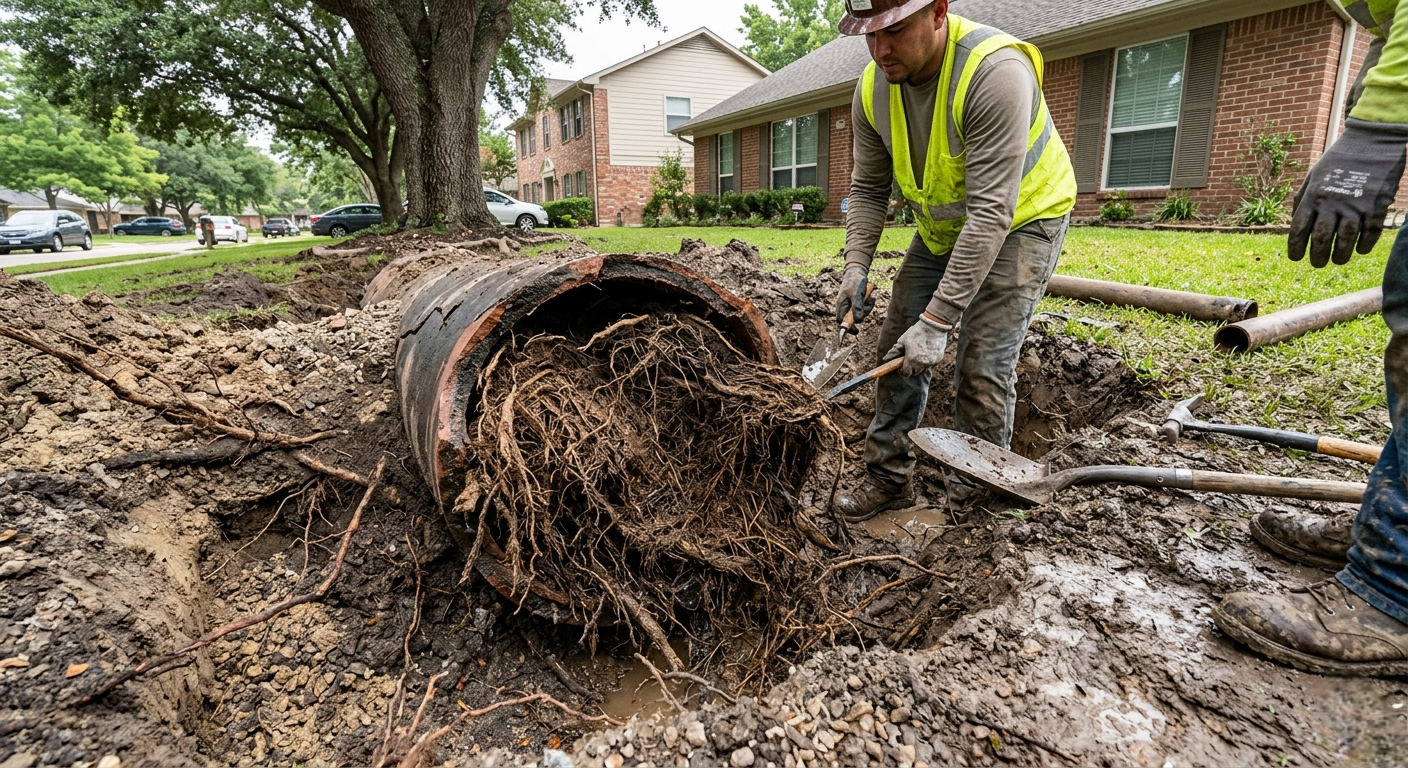
The roots of trees can invade sewer lines that are underground through cracks and joints in the pipe or from cracks in the concrete. Roots may grow rapidly once inside. They are then able to block waste and limit water flow.
This means that your toilet could become clogged frequently. You may also experience slow drainage times, gurgling noises, or foul odors. However, if you find yourself in this situation, plunging will not be the solution. P rofessional sewer line cleaning and inspection might be required.
The following are some signs that may indicate root decay:
Leaky pipes, broken pipes, and bent pipes are all potential causes of toilet issues . Older homes may contain older drainage systems. Pipes can develop cracks, corrosion, or other structural problems over time.
In addition, underground sewer lines can move because of ground movement. These changes can limit the normal flow of wastewater. If your drains tend to clog often, you may need to have your plumbing system checked.
If the pipe has been damaged, it can lead to:
Wastewater must flow through your plumbing system properly and needs air. Plumbing vents allow for this airflow. But a vent can become clogged by leaves or debris, nests, or other materials.
In those cases, you could experience slow flushing or gurgling sounds from your toilets. Slow drainage is also possible. So, your plumbing vents may be clogging, not your toilet.
Symptoms of the vents include:
The occasional clog does not necessarily mean there is a serious problem. But frequent clogs should be taken care of.
Keep an eye out for the following warning signs:
These symptoms could be a sign of a larger drainage or sewer problem.
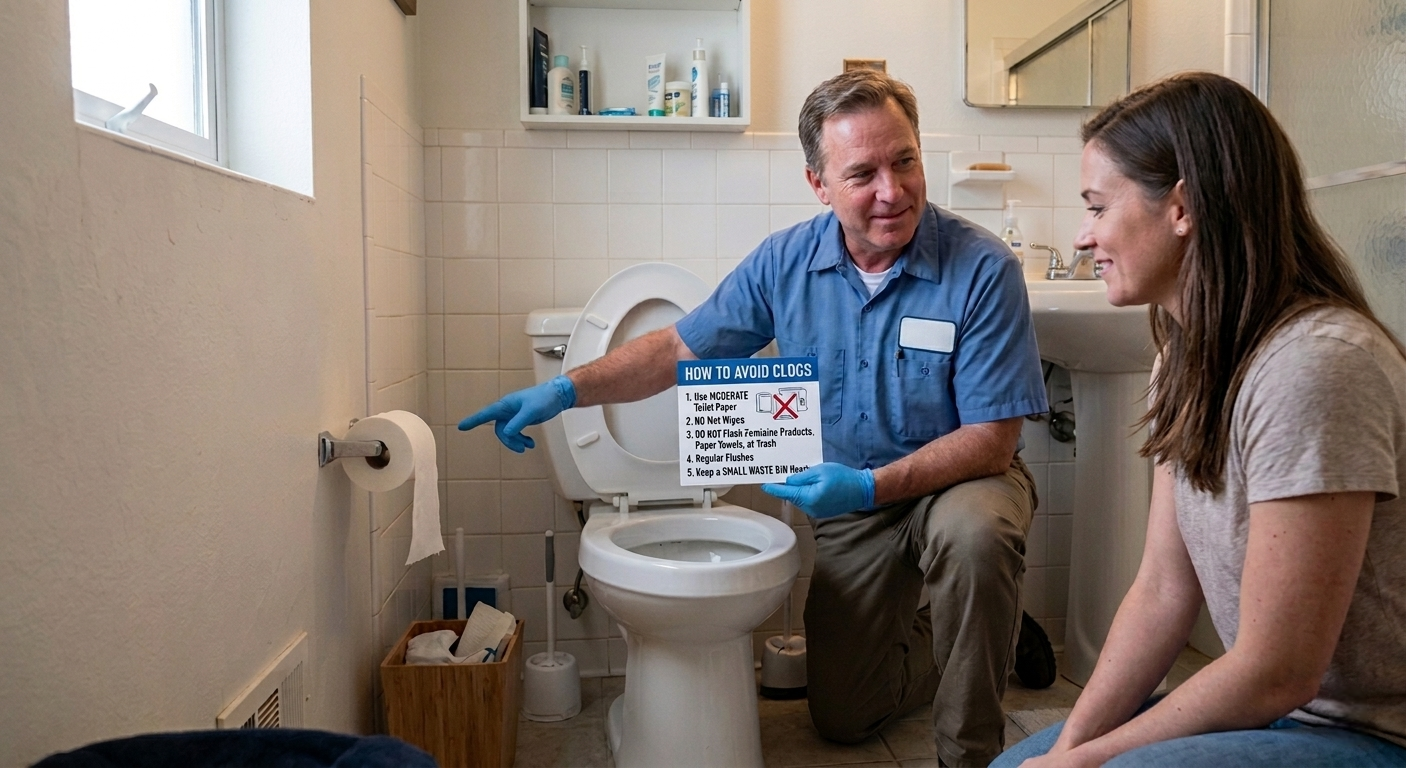
Luckily, there are ways that you can lower the chances of future clogs. Flush only toilet paper and human waste. Then don’t put wipes, cotton, or household garbage down the drain. Also, clean your toilet regularly. Examine the tank parts if the flush is weak.
Here are some easy steps to take to prevent accidental electrocution injuries:
Also be sure to deal with slow drains early. A small drainage problem can turn into a big blockage later. Finally, have professional plumbing services for plumbing inspection whenever you experience recurring clogs. Timely notice can save you from more costly repairs.
Many minor clogs can be dealt with using a plunger. But if the same issues keep recurring, you need to take a look at them. If you keep on having to unclog your toilet after plunging , call a plumber. They are able to examine the drain, sewer line, vents, and toilet parts.
New diagnostic equipment can also detect potential issues with plumbing that are not visible. This way, you can prevent any unnecessary repair work and focus on pinpointing the issue.
Immediately contact a plumber if you see:
A toilet that keeps clogging needs more than repeated plunging. The real cause may involve the drain, sewer line, plumbing vent, or toilet itself.
Therefore, professional diagnosis can save time and prevent recurring problems. If your toilet continues clogging, contact Magnificent Plumbing & Rooter for dependable plumbing inspection and solutions.