Enquire Now



Enquire Now

 Published: August 26, 2026
Last Updated: August 26, 2026
Published: August 26, 2026
Last Updated: August 26, 2026
It can seem like a weekend project to replace or install a toilet. But professional installation is not as simple as connecting the toilet to a drain.
A certified plumber inspects the plumbing, cleans up the area, installs the new toilet, and tests it thoroughly. This procedure helps to avoid leaks, wobbling, inadequate flushing, and future plumbing issues.
What to expect when having a professional toilet installation? Let’s take a step-by-step look at the process.
The first part of the plumber’s inspection will be of your existing toilet and plumbing. This inspection is to detect issues prior to installation.
The plumber can inspect:
It’s important because the new toilet may be damaged in areas that are not visible.
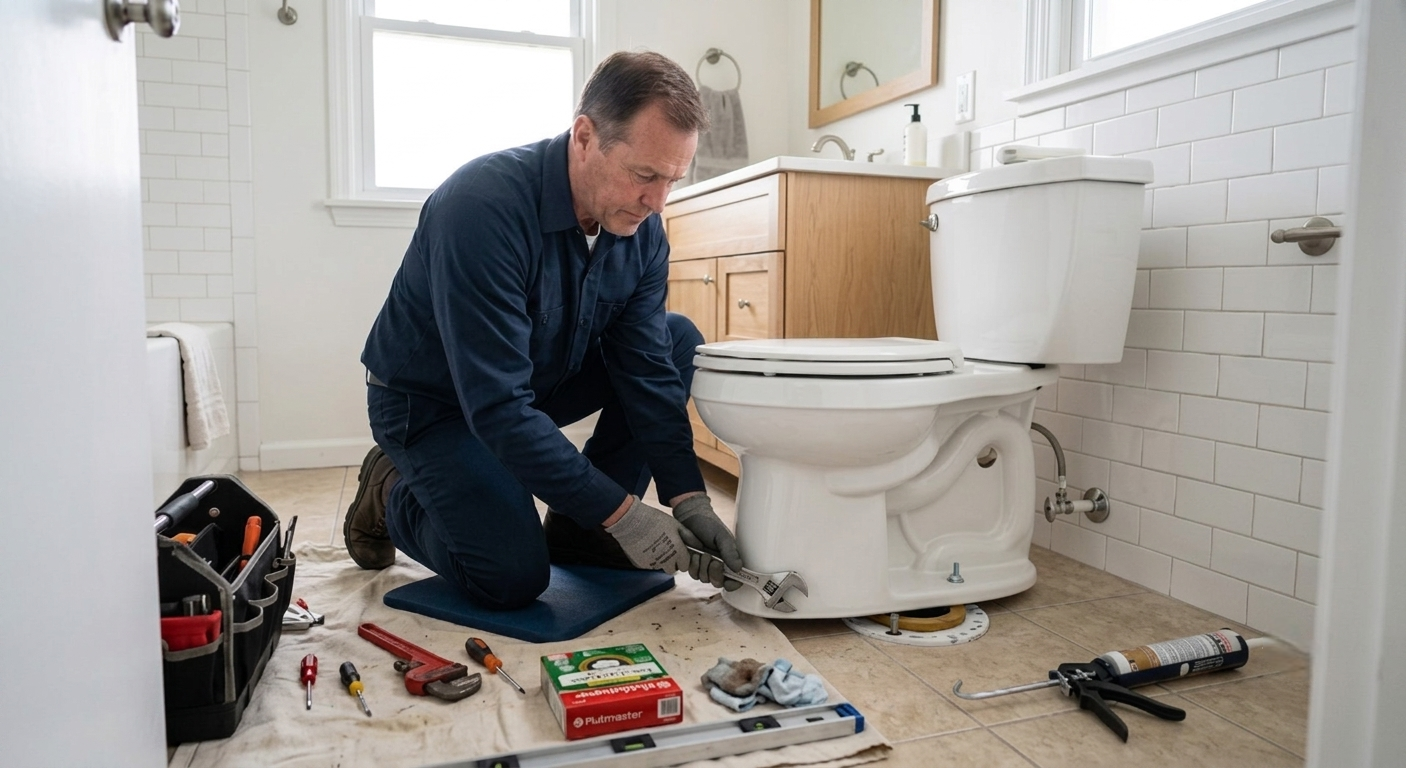
When replacing an existing toilet, the plumber first turns off the water supply to the toilet. Then, they empty the tank and bowl. After that, they cut off the water line. Then, the plumber takes the mounting hardware and picks up the old toilet.
The expert removal minimizes the risk of:
The plumber can then look at the area of exposed installation.
The toilet flange is the section that attaches the toilet to the drainage system. It also helps to keep the toilet in place. Damage or an improperly positioned flange can result in several issues. For instance, the toilet could rock or leak around the base. So, the Plumber examines the flange prior to putting the new toilet in place.
The plumber can fix the issue if the flange needs repair. This provides better support for the new toilet.
Next, the plumber prepares the floor and connection points. They take away the old wax, debris, and residue from the old toilet. They also inspect the surface for damage or irregularities.
The new toilet is situated on a clean and stable surface. The plumber makes sure that the drain opening and mounting points are prepared before proceeding with the job.
The toilet should have a secure seal between the base and the connection with the drain. Based on the situation, the plumber will install a new wax ring or other approved sealing material.
In this way, the seal prevents sewage and bad smells from escaping. A professional job also makes certain that the toilet is balanced on the seal.
The plumber slowly installs the new toilet. They line up the toilet and toilet flange bolts/drain opening. Then, they exert equal force to form a good seal.
They then attach the toilet with the correct mounting tools. The plumber doesn’t over-tighten, as porcelain can crack under abnormal pressure.
When the toilet is in place, the plumber will connect the water supply line. They also inspect the shutoff valve and connecting points.
The plumber then gradually brings water back into the house. This way, they won’t miss any leaks until they are done.
The plumber makes sure that the tank is properly aligned for a 2-piece toilet. They check the internal components and water level. They also ensure the correct operation of the flush mechanism.
A proper tank setup is important to ensure that the toilet flushes properly. The plumber might adjust the fill valve if it is needed to correct the water level.
One of the most critical components of the toilet installation process is testing. The plumber runs the toilet several times. They observe the water running and make sure all connections are checked.
They may check for:
Before the plumber leaves, they fix whatever doesn’t seem right.
If a toilet is installed properly, it should be very stable on the floor. The plumber is looking for movement or rocking. When necessary, they take diligent measures.
A stable toilet will have less stress on the seal and plumbing connections. It will also make the toilet more comfortable and safer to use.
If your bathroom is not in a good state of repair after it’s been professionally installed, you have a problem! Once finished, the plumber clears the work area of installation debris and the surrounding work area.
They also ensure that the new toilet is working properly. You can then use the toilet with a higher level of confidence.
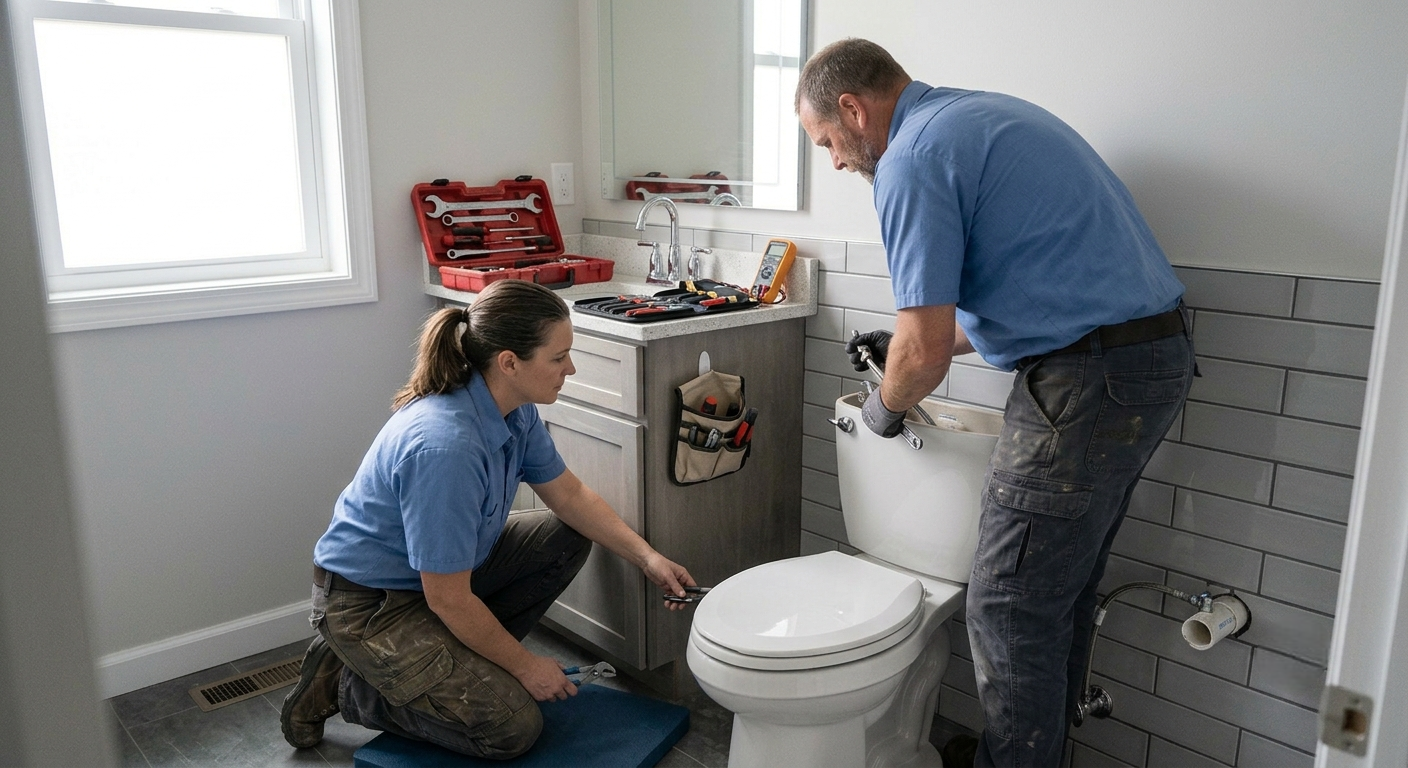
The average time for a standard toilet installation is 1-2 hours. The exact time will depend on the plumbing conditions. If the plumber discovers other issues, the appointment will take longer.
Some additional work could include:
A professional assessment will therefore be the best way to get the best possible time frame.
Installation may seem like a DIY job. But even minor installation errors can cause costly plumbing issues down the road.
There are several benefits of professional installation:
Most of all, professional installation ensures you can be sure that your toilet functions properly.
There are a few tips to make the installation process easy.
Prior to the plumber’s arrival:
These easy preparations can make the appointment go smoothly.
Proper preparation, alignment, connections, and testing are all essential components of professional toilet installation. The process, therefore, is more than just the installation of a new toilet in your bathroom. Professional installation can also detect any underlying plumbing issues before they become costly troubles.
If you need reliable toilet installation or plumbing assistance, Magnificent Plumbing & Rooter can help. Contact the team for professional service and dependable plumbing solutions for your home.