Enquire Now


Enquire Now
 Published: June 8, 2026
Last Updated: July 14, 2026
Published: June 8, 2026
Last Updated: July 14, 2026
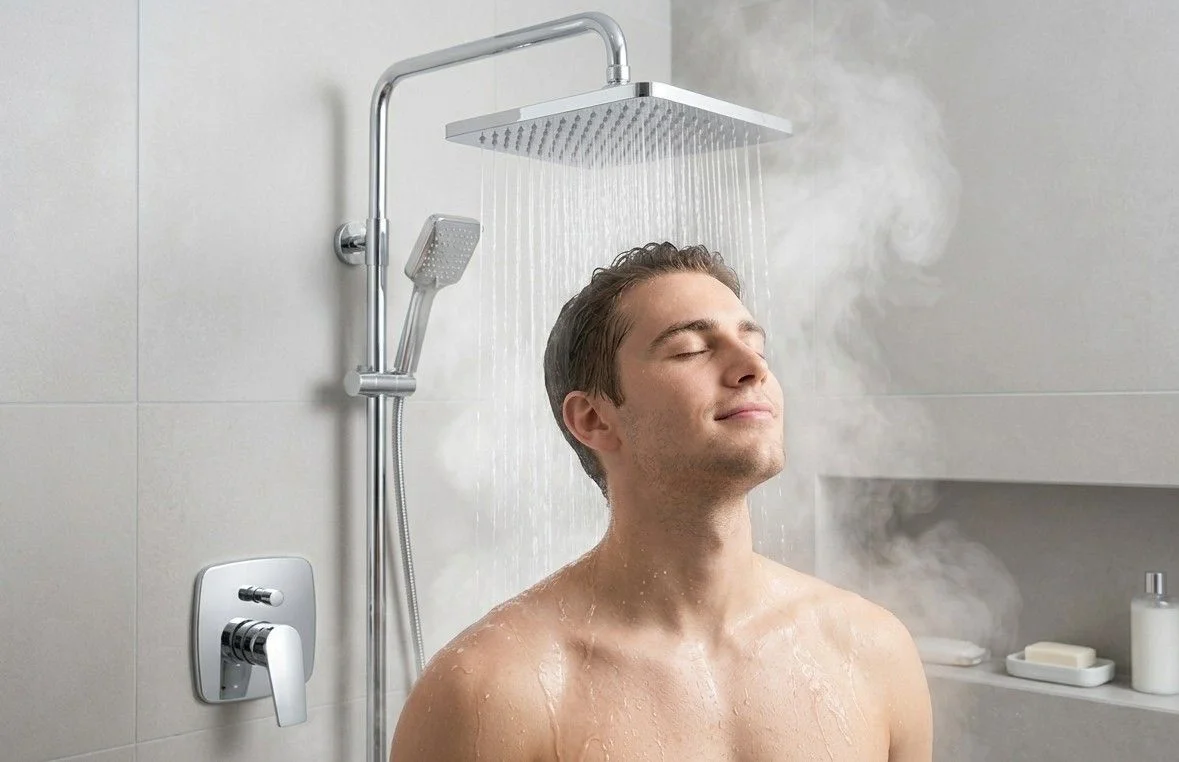
Hot water is a significant part of our daily lives. It is used for showers, dishwashing, laundry, and cleaning. This makes it important for homeowners to look for systems that provide continuous hot water without interruptions. Tankless water heaters often seem like the perfect answer. Many advertisements even promote them with the phrase “unlimited hot water.”
On the surface, it sounds like a good deal. No one likes getting a wet head in the middle of the morning. But many people do not understand the meaning of “unlimited hot water.” They assume the system produces endless hot water under every condition. That idea creates unrealistic expectations.
The reality looks different. Tankless systems offer many benefits. However, they still have operating limits. Understanding those limits helps homeowners make smarter decisions before installation.
Conventional water heaters store hot water in a large tank. After the stored supply is reduced, a wait until reheating is required. Many homeowners do not enjoy this waiting period, as it is frustrating.
The tankless systems are different. They don’t store water – they only heat water as you need it. Cold water is fed into the unit and flows over heating elements. The water is heated on-site and delivered to fixtures. Therefore, when water flows through the heater, it continues to generate hot water. This process explains the “unlimited hot water” claim.
However, the word “unlimited” can create confusion. The system does not generate infinite amounts of heated water at any speed or demand level.
Every tankless system comes with a maximum flow rate. Flow rate measures how much hot water the unit can heat each minute.
For example, imagine a system that supports five gallons per minute. The heater performs well within that limit. However, problems may appear if multiple appliances exceed the available capacity.
Consider this situation:
Together, these appliances need 6.5 gallons per minute. The system might not keep up with demand, so users may see temperatures drop or performance decrease. So unlimited hot water, in fact, means hot water that is continually running through the heater within the heater’s operating range.
Many homeowners overlook another important factor. Incoming groundwater temperature affects heater output.
Groundwater may get into buildings in warmer climates at higher temperatures. The heater requires less energy to attain the desired temperature.
But colder areas have different circumstances. The water that comes into the house can be quite cold. The heater is, therefore, forced to heat more to maintain that temperature.
For instance, it takes less effort to heat water from 70°F to 120°F than to heat water from 40°F to 120°F.
Due to this difference, performance varies throughout the year.
There isn’t a one-size-fits-all solution for tankless systems. Hot water demand can vary significantly depending on household size. A small family may experience excellent performance with a standard unit. Meanwhile, larger households often need stronger systems or multiple units.
Morning routines usually create the highest demand. Several people may shower while other appliances run simultaneously. Therefore, homeowners should evaluate:
These factors help determine proper system sizing.
Many tankless performance complaints result from poor sizing decisions.
Some homeowners purchase smaller units because they cost less upfront. Others choose systems based only on advertisements.
Unfortunately, undersized systems struggle during heavy use periods.
Correct sizing improves:
Professional assessment helps avoid expensive mistakes later.

Although unlimited hot water has its limitations, tankless systems still offer significant advantages. Traditional tanks constantly heat stored water. They continue working even when nobody uses hot water.
Tankless units operate only when demand exists. Therefore, they reduce standby heat losses.
Additional benefits include:
Many homeowners appreciate these benefits long after installation
Some people believe tankless systems require no maintenance. Unfortunately, that assumption creates future problems. Minerals naturally accumulate in heating components over time. Hard water conditions accelerate this process.
Without maintenance, buildup can reduce efficiency and affect heating performance.
Regular service helps:
Homeowners should schedule routine inspections and flushing procedures.
Marketing phrases often simplify technical information. Unlimited hot water sounds impressive because it highlights continuous operation. However, homeowners should understand the complete picture. Tankless systems provide ongoing hot water without storing large amounts in a tank. Yet every unit operates within specific performance limits. Flow rate, incoming temperature, household size, and system capacity all influence results.
At Magnificent Plumbing & Rooter, we help homeowners understand these important details before installation decisions. Clear information prevents disappointment and improves long-term satisfaction.
When homeowners choose the right unit and maintain it properly, tankless systems can deliver reliable performance for years. The truth about unlimited hot water becomes simple. The water flow may continue uninterrupted, but the system still depends on proper sizing and realistic expectations. Magnificent Plumbing & Rooter helps homeowners choose solutions that match their real-world hot water needs.
