Enquire Now



Enquire Now
 Published: June 25, 2026
Last Updated: July 14, 2026
Published: June 25, 2026
Last Updated: July 14, 2026
Clogged drains are a trouble for homeowners in all neighborhoods. A backed-up shower, a clogged toilet, or a slow sink may seem like a trivial problem. Some people clear the blockage and hope it’s just gone. The clog, however, will come back after some time.
Usually, there is a reason for drain clogs to recur. Usually, there’s a more serious problem in the plumbing system. Thus, patching the real issue only makes it appear rather than fix it. Understanding the actual causes of recurring drain clogs enables owners to safeguard their plumbing and avoid costly repairs.
Heavy use of most residential drains occurs daily. Water and waste are continually flowing through pipes in the kitchen, bathroom, and laundry room. Unknowingly, many homeowners pour the following items down the drain:
At first, the symptoms might not be obvious, or you may be able to manage them. However, these materials tend to adhere to the walls of pipes over time. The greater the energy, the slower the water flows. This means that clogging is more likely to recur.
Oversized garbage disposals and drains are a source of trouble. Grease causes trouble in kitchen drains.
Kitchen drains are among the hardest-working areas of the home’s plumbing system. Often, it’s grease that is the primary problem. Many people throw cooking oil or grease down sinks while it’s hot. At first, the liquid might not appear harmful. But the grease cools rapidly in pipes.
When grease cools, it becomes hard and adheres to pipes.
With the passing of time, several problems arise due to grease buildup:
In addition, grease traps other debris that is flowing through the system. Hence, small grease deposits will eventually turn into big blockages.
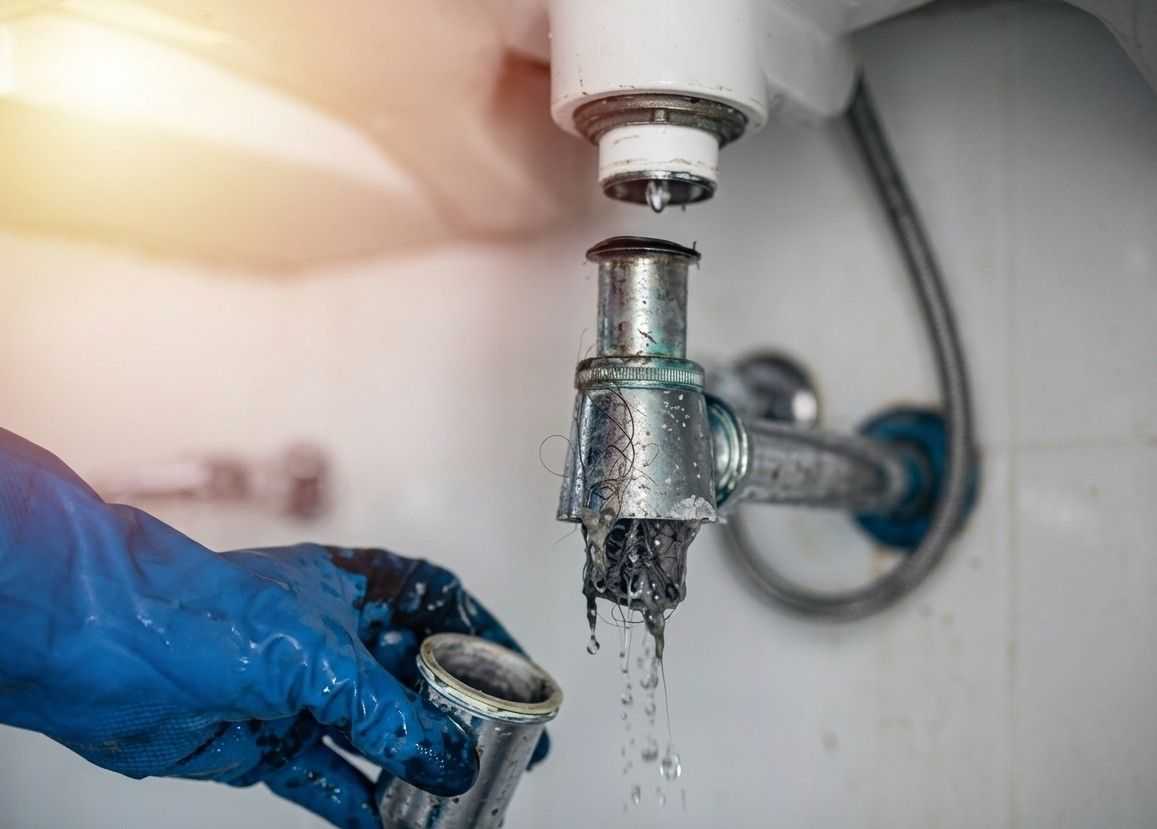
Bathrooms have a continuous supply of soap and hair products. Hair is not normally soluble in plumbing systems. Rather, hair gathers and coalesces with the residue of soap, shampoo, and dirt particles.
This mixture is responsible for forming heavy deposits within pipes.
Common symptoms of hair clogs are:
Furthermore, chemical drain cleaners are ineffective at removing large clumps of hair.
This means the problem keeps recurring.
Soap buildup is something that many homeowners fail to consider. In the long run, however, it causes significant drainage issues.
Many soaps are made with fats and minerals. These ingredients react with hard-water minerals, forming hard deposits.
Soap buildup causes:
Furthermore, soap residue may become a surface for the attachment of other materials. The longer the buildup, the more likely recurring clogs are.
Some recurring drain problems begin far removed from the sink and shower. Tree roots (naturally) look for water. Roots may grow toward underground sewer pipes, which may have water and nutrients. Tiny cracks in pipes can allow small root strands to enter. As roots penetrate the system, they keep growing and form major clogs.
Some of the common indicators are:
Furthermore, if not addressed, roots can cause permanent damage to pipes. As you’re halfway through troubleshooting a plumbing issue, it is easy to see why you need to hire a professional. When drain backups keep happening, Magnificent Plumbing & Rooter can help determine the root cause and provide long-term solutions rather than temporary ones.
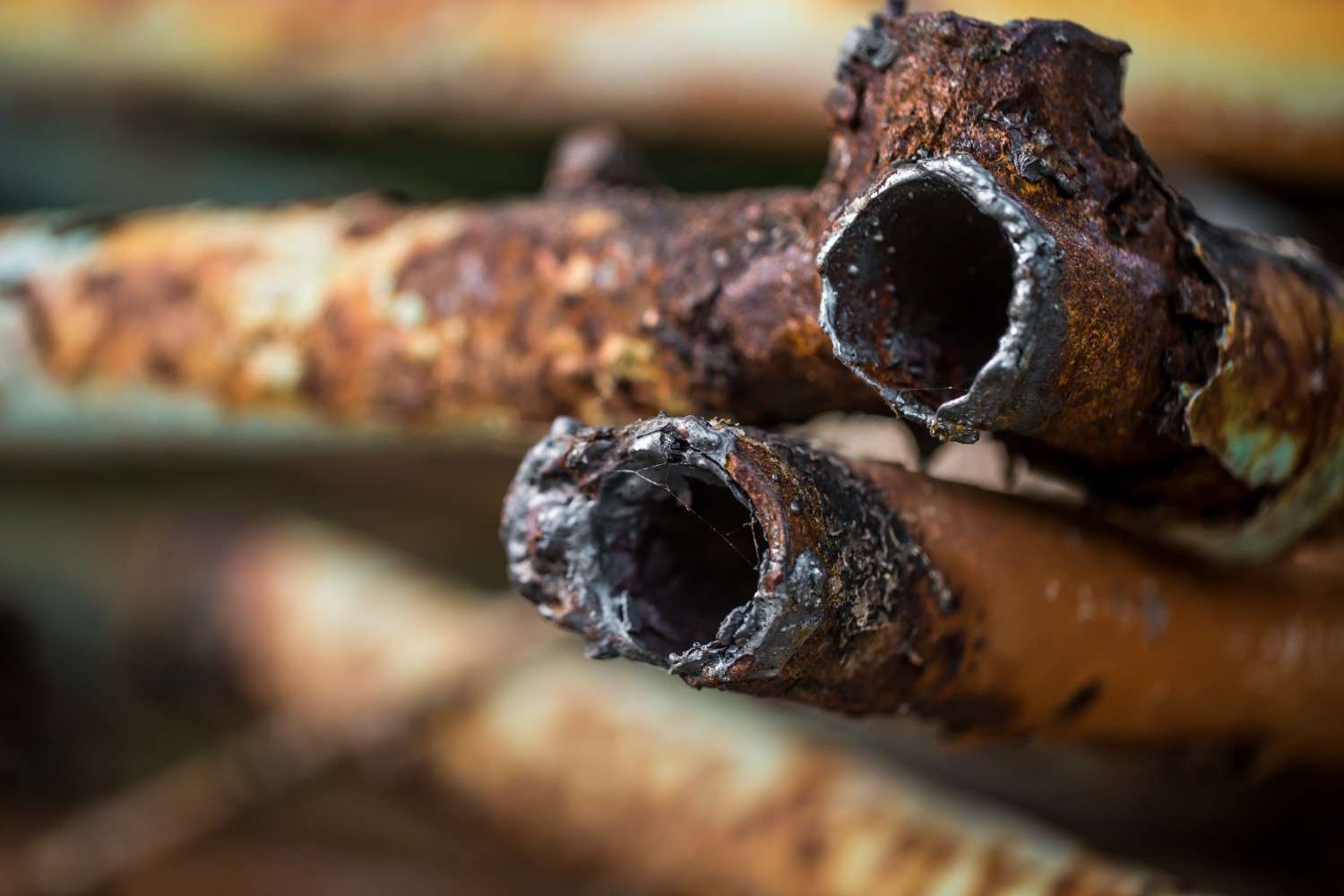
A plumbing system can develop structural issues over the years, especially in old systems.
Some problems might impact the efficiency of pipes:
Damaged pipes affect water flow. This means that debris accumulates more readily in problem areas. If there is structural damage, repeated cleaning may not prevent clogs from recurring. So, inspection becomes important when a blockage recurs. Any materials that are not approved for flushing should not be sent down the drain.
Toilets are something many homeowners think they can put just about anything in. Unfortunately, this is a common fault that leads to plumbing issues.
The following are some common items that should not end up in homes’ pipes:
Many products won’t break down like toilet paper. In addition, these materials tend to mix with dirt and grease. Hence, hard clogs form deep within the plumbing.
Chemical drain cleaners are often used in emergencies. These products can help in the short term but will bring on more problems.
Harsh chemicals can:
Further, chemicals typically address symptoms rather than causes. If there are recurring clogs, it’s because the problem persists in the system. Often, safer and more thorough cleanings can be achieved with professional cleaning methods.
A drain system will last longer and reduce maintenance costs if allowed to remain in place with preventive maintenance. Clogging issues seldom happen overnight. In most situations, indications are gradual in nature. Homeowners can prevent major plumbing problems with preventive maintenance.
Some good maintenance procedures are:
In addition, any minor drainage issues within the home should be resolved promptly.
If you frequently experience clogging in your drains, it could be a sign of more serious plumbing issues. Repeated blockages are often caused by excess hair, grease, soap buildup, tree roots, broken pipes, and improper disposal methods.
Temporary solutions may help in the short term. Long-term results, however, will depend on the actual cause being identified and corrected. By maintaining and professionally inspecting residential plumbing systems, people can prevent ongoing problems.
At the end of the day, no one likes dealing with recurring drain issues, which is where Magnificent Plumbing & Rooter can help. Their industry experts can identify underlying issues, maximize drainage efficiency, and help prevent future plumbing problems.