Enquire Now



Enquire Now
 Published: October 13, 2026
Last Updated: October 8, 2026
Published: October 13, 2026
Last Updated: October 8, 2026
Aging gas pipes eventually fail. Most people completely ignore this invisible utility network until a major disaster forces their hand. A massive mistake. Older gas lines carry a burden that constantly grows over the decades. Eventually the metal surrenders to time. We need to talk about why ignoring this hidden infrastructure puts your property and family in danger.
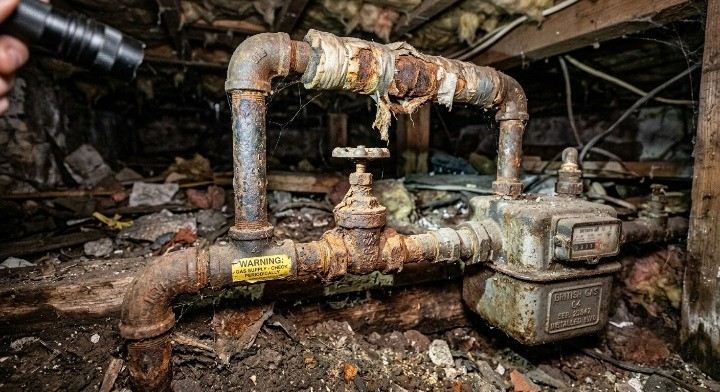
Here’s the thing about buried plumbing. Soil moisture and natural ground shifting slowly degrade metal over decades. The pipe joint compound on older black iron installations from the nineteen seventies actually dries out and crumbles into dust after 30 or 40 years of seasonal temperature swings. It gets brittle.
And yes, that sounds terrifying. Think of an ignored gas system like driving a heavy truck on severely worn brake pads. You might stop fine today. But eventually physics catches up with you. A tiny fissure in a rusted elbow joint lets raw natural gas escape into the surrounding dirt.
Constant ground settling pulls at threaded connections under your lawn. Trees play a huge part too. A thirsty oak tree stretches its thick roots directly toward the moisture collecting around a cold underground pipe. Those roots wrap around the metal and literally crush the steel fittings over several years. This unseen pressure creates serious gas leak risks right beneath your prized flower beds.
Let’s look at why legacy materials demand your immediate attention. Buyers obsess over roof age during a property inspection. They nitpick cosmetic updates and ugly bathroom tiles while completely ignoring the explosive potential underground. Okay, not always, but close. People simply trust that old pipes will keep working forever.
Homes constructed before 1990 usually include older gas line systems that just don’t cope well with today’s soil compaction, or with the vibrations coming from nearby heavy road traffic. In other words, those old lines are sort of a silent problem because rust slowly weakens the thick pipe walls from the outside in. Waiting for a rotten egg smell is a terrible strategy. You need a proactive gas line inspection.
Let’s talk about the weather. Winter freezes and summer heat waves absolutely wreck older materials over time. The constant cycle of expanding and shrinking metal slowly compromises every threaded joint in your home. It creates tiny gaps. During a hard freeze, the ground shifts upward and puts incredible tension on your buried lines.
Then summer rolls around. The soil dries out completely and shrinks away from the pipes. This leaves your aging gas pipes entirely unsupported in the loose dirt. Without that solid ground beneath them gravity pulls the heavy iron pipes straight down. That sagging motion inevitably snaps brittle connections right in half.
What this means for you is keeping your eyes and ears open constantly. A residential gas line failure rarely happens without dropping a few clues first. Watch out for these four red flags:
Knowing what sits behind your drywall helps you gauge your actual danger level. Different eras favored different metals. Let’s break down the most common household plumbing materials.
| Material Type | Peak Popularity |
Main Failure Risks Over Time |
|---|---|---|
| Galvanized Steel | Before 1950 | Internal flaking clogs appliance valves and external rust eats the threaded ends. |
| Black Iron | 1970 to 1990 | The joint compound totally dies out and allows slow vapor seepage into walls. |
| Corrugated Stainless |
Early 2000s | Lightning strikes can puncture the thin outer jacket if improperly grounded by installers. |
So, when exactly should you call a pro for help? Do it immediately if you just moved into a house built during the Reagan administration. You also need help if your stove burners flicker with weird yellow flames instead of a steady blue ring. Yellow flames indicate a poor fuel mixture caused by pressure drops.
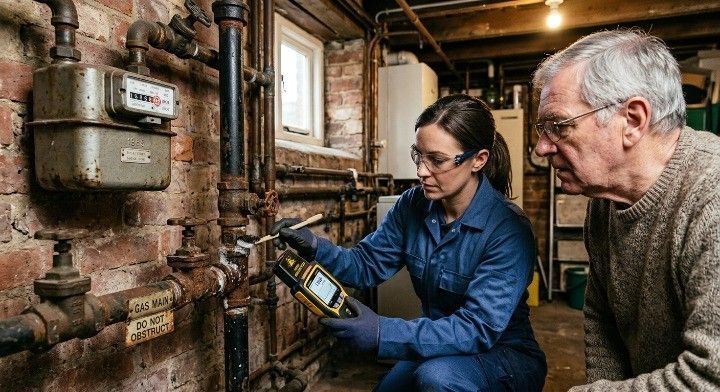
Don’t wait for an emergency. Getting a baseline health check on your underground utilities gives you incredible peace of mind. A skilled technician uses highly sensitive sniffer tools. They detect microscopic leaks your human nose could never possibly register. Catching a tiny vapor trail early saves thousands of dollars in property damage.
Yearly checkups make absolute sense for any property over forty years old. It acts like a physical for your home. An expert plumber can map out exactly where your absolute highest risks actually live underground.
Protecting your family means ditching the out of sight and out of mind mentality completely. Upgrading older gas lines drastically reduces your risk of fire or carbon monoxide exposure. It adds real value to your property. Buyers love seeing brand new utility connections on a seller disclosure form.
Don’t leave your family safety to pure chance. The experienced professionals at Magnificent Plumbing & Rooter know exactly how to evaluate your aging infrastructure. Reach out today to schedule a comprehensive evaluation. We will give you the honest truth about your plumbing health. Take control of your home safety right now.