Enquire Now



Enquire Now

 December 25, 2025
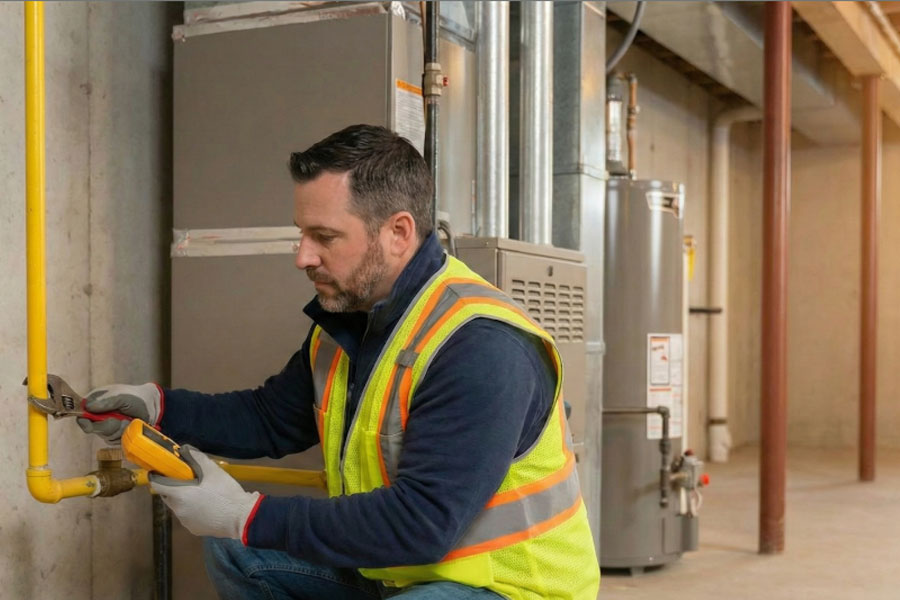
Gas lines make your house work. They provide energy to your stove, water heater, and furnace. But most homeowners neglect them. This can be risky. Gas leakage may cause property damage and even severe health problems. Gas line inspections are essential. They defend your house and your family.
However, how frequently should you check your gas lines? This will depend on the age, usage, and the nature of the appliances in your home. Nevertheless, there are general guidelines to follow to remain safe. Let’s explore them in detail.
Gas lines age like any other system. Pipes corrode. Joints weaken. Valves fail. Minor issues grow fast. Thus, frequent inspections help detect issues early. They also minimize the risk of leaks. Leaks of any size can waste energy and raise bills. Larger leaks may cause fire or explosion.
Besides, regular checkups help appliances perform well. Gas appliances require sustained pressure. Any obstruction or small leakage affects performance. And save money and make things safer at the same time.
The majority of experts recommend an annual inspection. This program suits the majority of homes. Nonetheless, checks of older houses need to be performed every 6 months. Homes that consume a lot of gas may also require more inspections.
When you have several gas appliances, shorter periods are to be considered. For instance, large families will use water heaters and stoves more frequently. In this way, they have older, harder-working gas systems.
At the center of this guide, Magnificent Plumbing & Rooter offers professional gas line inspection services. Their group has high safety standards and gives clear reports.
However, despite frequent inspection, some symptoms require immediate attention. Be aware of the following red flags:
The smell of natural gas is like rotten eggs. This smell is a result of a chemical added. If you sense it, act fast. Get out of that house and call professionals.
There is a potential for sudden bill spikes before your appliances are delivered due to gas escaping.
There is a hissing noise sometimes with the leaks. This comes from escaping gas. Never ignore it.
The external spills damage the surrounding plants. If one area appears dead and the others are fine, check for leaks.
When the flame is weak or yellow, it indicates poor gas circulation. Proper burning is blue flames. These indications demonstrate emergency issues. Call out a qualified technician now.
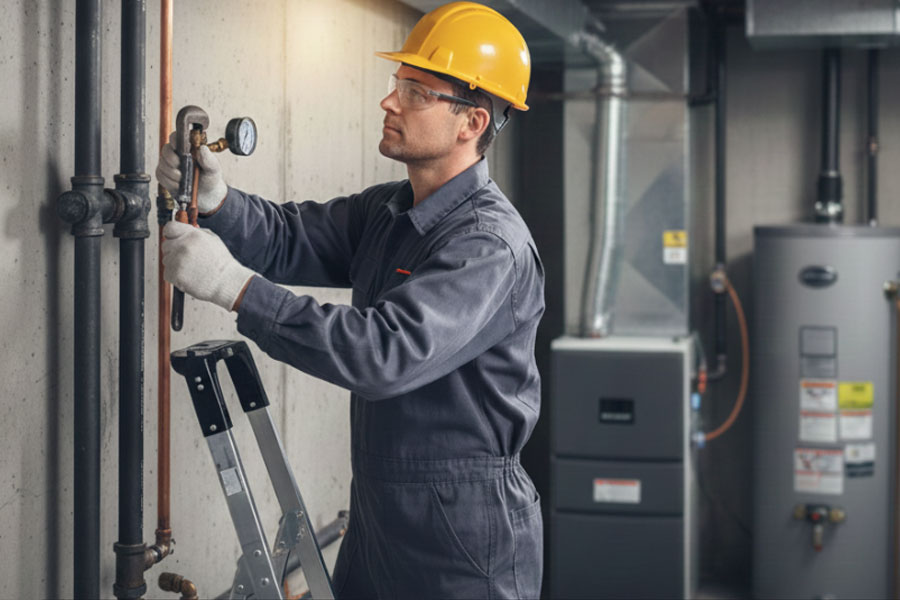
Professional tools are used to detect leaks. They check pressure levels. They also test joints, connectors, and valves. Moreover, they also test gas-related appliances. Technicians also inspect venting systems. The lack of ventilation puts people at risk of carbon monoxide poisoning. This measure is to provide maximum safety.
Lastly, the professionals provide a comprehensive report. It describes problems and recommends solutions. This is so that you can plan maintenance and prevent surprises.
Annual checks are helpful, but you would also need to secure your system daily. These simple steps help a lot:
Corrosion is brought about by dust and debris. Hold areas surrounding gas lines clean.
Gas work needs expertise. Wrong repairs cause leaks. Always call specialists.
Blue flames are promising signs of burning. Fires that are yellow or orange are problematic.
Detectors alert you early. They enhance security and minimize threats.
Excessive appliances on a single line are hectic. A technician can guide you.
With these tips in mind, you will keep your gas system healthy throughout the year.
Veteran houses are equipped with aged gas piping. Steel pipes corrode faster. Hence, old buildings require increased care. Professionals suggest inspecting houses that are over 20 years old every 6 months.
Renovations are also disruptive to lines. In case you remodel your kitchen or bathroom, arrange an inspection a few days after. Any pipe movement may result in leakages.
The inspection of new homes is required. Installation errors occur. There is also the settlement of new appliances. Thus, test your system after a year of living in it. Then adhere to an annual plan.
Delaying inspections would save time in the short term, but in the long term, it would incur more expenses. Issues increase repair costs. Severe accidents may also be related to gas leakages.
Frequent inspections minimize risks, reduce bills, and extend appliance lifespans. This little action brings a giant relief.
Certified technicians use strict safety codes. They use equipment that homeowners do not have access to. They have experience that enables them to identify invisible issues. Thus, home inspections by professional inspectors have been the safest choice.
To ensure service reliability, Magnificent Plumbing & Rooter offers reliable gas line inspections and repairs. Their professionals are focused on safety, efficiency, and long-term protection of your home.