Enquire Now


Enquire Now
 Published: June 20, 2026
Last Updated: July 14, 2026
Published: June 20, 2026
Last Updated: July 14, 2026
The bigger the property, the more difficult the water management is. Large homes, apartment buildings, business, and big facilities consume large quantities of water daily. This has caused an ongoing stress and strain on plumbing systems. If not properly maintained, excessive water consumption can lead to major plumbing issues and expensive repairs.
Water bills are often property owners’ first concern. But pipes, fixtures, drains and water heaters are also affected by heavy water usage. Knowing about these effects enables property owners to safeguard their plumbing and prevent major problems.
Larger homes tend to have complicated plumbing systems. These systems are made up of longer pipe runs and multiple connections. These pipes are forced to operate harder all day when they are experiencing high water consumption.
When water continuously flows through pipes, several issues can appear:
Also, ageing plumbing systems can have frequent heavy usage. Cracks will grow in size with time. This means that if it’s a minor problem, it can escalate into a significant repair.
Property owners should have plumbing systems checked on a regular basis. The earlier the issue is detected, the less money and time will be wasted.
Many people think that high water pressure is better for plumbing. But when pressure is too high, there are often problems that are not apparent.
In larger properties, pressure boosters are often required to provide water throughout several floors. These systems help keep water moving but can also put pressure on pipes and fixtures.
The following symptoms are indicators of pressure problems:
Additionally, pressure changes lead to unequal water distribution throughout the property. Balanced pressure ensures the efficient and reliable functioning of the plumbing system.
High water consumption isn’t limited to water lines. Drain systems are also subjected to the extra loads every day.
Waste materials, food particles, dirt and soap pass through the drains with the water. These materials take up residence within pipes over time.
As the usage increases, drainage systems can suffer from:
Furthermore, in larger buildings, there may be common drains. Clogged areas can cause backups in several areas.
Routine drain cleaning helps to keep build up to a minimum and increases overall plumbing functioning.
Larger properties require more effort from water heaters. Hot water is needed all day long for various activities in families, tenants, employees, and visitors. There is a need to be concerned with continuous demand, such as:
Tank water heaters could have difficulties in the peak demand time. Similarly, small systems can be inadequate to handle daily needs.
Professional assistance will come in handy when you’re halfway done handling plumbing issues. By being proactive, Magnificent Plumbing & Rooter helps property owners proactively discover system weaknesses in time to prevent costly failures. Large properties are able to perform well in the plumbing department, thanks to regular inspections and maintenance plans.
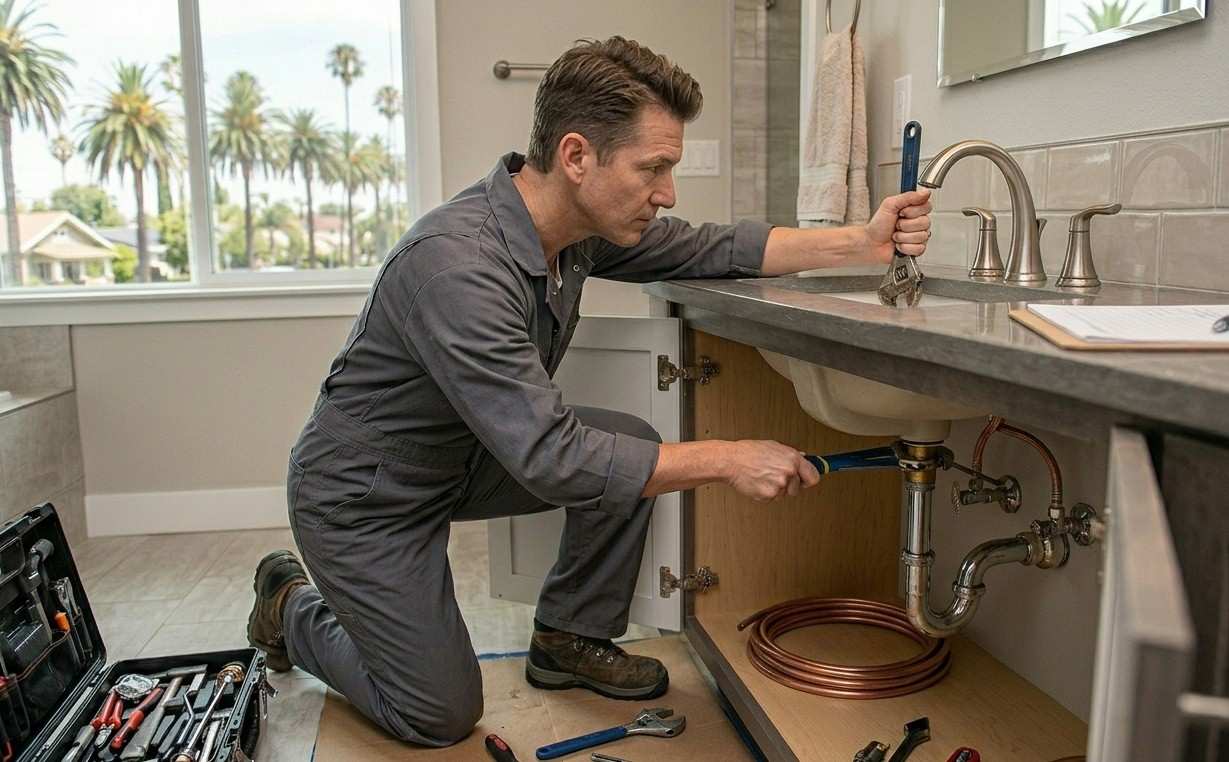
In larger properties, faucets, toilets, shower heads and valves are used regularly. As with all equipment, frequent use leads to wear and tear.
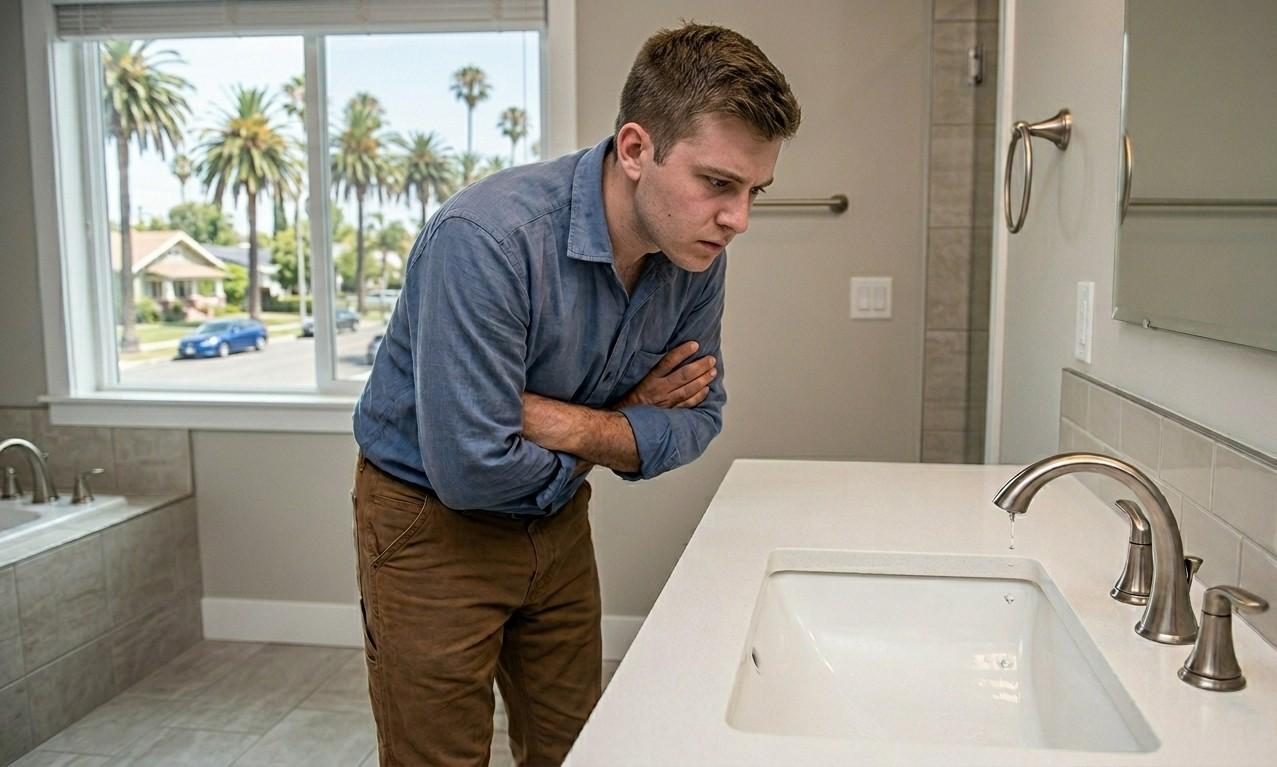
Perceptible problems may arise at the beginning. For instance, a faucet might drip every once in a while. A running toilet may keep running after flushing. The little things are the little things, and they don’t seem like big problems.
But the tiny fixture issues may result in:
Thus, swapping worn components as soon as possible reduces potential major issues when they arise.
In large properties, a lot of waste is moved through the sewer system each day. Underground lines are subjected to extra stress when they are used heavily. In addition, sewer lines are exposed to the following threats from the outside:
These can be exacerbated by high wastewater flows. Warning signs that may become apparent to property owners are unpleasant smells, slow draining, or frequent backups.
Regular sewer inspections can detect issues early, so they don’t become a problem. The more water that is wasted, the more it costs for the operation. But high water use isn’t just about the performance of plumbing. It’s also an added cost of operation.
A large property might have water that is lost through concealed leaks and poor fixtures. These leaks are often not noticed, and water can be lost over months.
Common sources include:
Plus, the fact that water is wasted also leads to high utility costs and overloading of plumbing devices. Water conservation methods help to become more efficient and save money that can be put to other uses.
Big homes require proactive plumbing maintenance. It is often too late to repair damages to your car after they become major issues; by that time, it’s already too late and will have cost you a lot more money.
Preventive maintenance can offer a number of benefits:
Technicians can also detect concerns early on with the use of scheduled inspections before any damage can take place. Building size and use should be used to determine property maintenance schedules.
Larger properties are under constant stress on the plumbing system due to high water use. Pipes, drains, fixtures, water heaters and sewer lines are all subjected to extra demands. Failure to maintain the equipment can, therefore, result in costly repairs and operational issues. Routine checks and good maintenance lower the risk and enhance system efficiency. If property owners catch small issues early, they will avoid future larger problems.
Magnificent Plumbing & Rooter is aware of the distinct plumbing requirements of bigger properties. They are professional and are able to keep the property’s system in good working order, minimize downtime and avoid expensive plumbing problems.