Enquire Now


Enquire Now
 Published: June 12, 2026
Last Updated: July 14, 2026
Published: June 12, 2026
Last Updated: July 14, 2026
You jump in the shower after a long day, and just when the warm water starts to relax your muscles, it goes ice cold. That moment is one of the most frustrating things that can happen at home. And it happens far more often than most people expect.
The reason is that your water heater struggles to keep up with household demand. And behind that reason could be age, size, worn out parts, or something many homeowners never think about, like sediment build-up inside the tank. Once you understand what causes the problem, you can act on it before it ruins another morning.
A tank water heater stores a set amount of hot water and keeps it at a steady temperature until you need it. When that stored supply runs out faster than the unit can reheat.
Most households use more hot water than they realize. Showers, laundry, dishwashers, and handwashing all pull from the same water supply. When two or three of those things run at the same time, even a robust heater can fall behind.
One of the most common reasons hot water runs out fast is simple: the heater is too small for the household it serves. A unit built for one or two people will not keep up with a family of five.
Use this quick reference to see if your tank matches your household size:
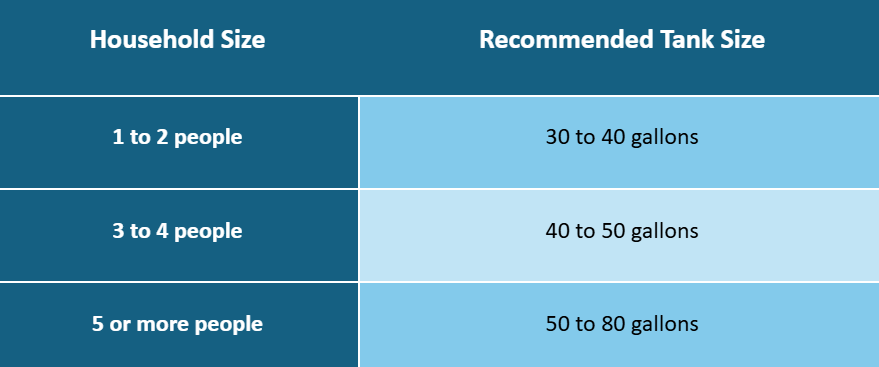
If your current tank falls below these numbers, that is probably why you keep running out at the worst times.
Over time, minerals from your water supply sink and settle at the bottom of the tank. This layer of sediment buildup sits between the heating element or burner and the water above it.
The result is that your heater works harder but delivers less. Think of it like trying to heat a pot of water with a thick layer of sand sitting at the bottom. The heat struggles to pass through.
You might notice these signs when sediment buildup is the culprit:
This is one of the most overlooked reasons for poor heating performance. Flushing the tank once a year removes that mineral layer and helps your heater breathe again. Most homeowners skip this step entirely, which shortens the life of the unit significantly.
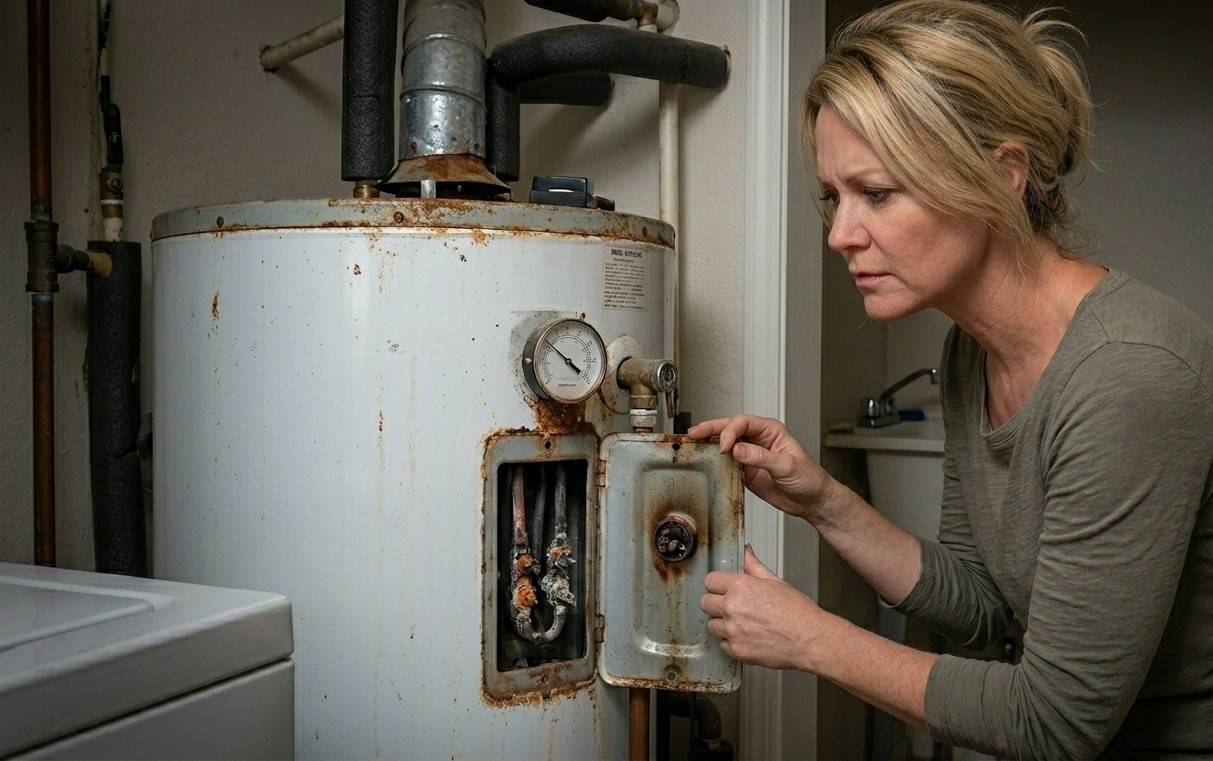
If you have electric water heaters at home, pay close attention here. These units rely on one or two heating elements inside the tank to heat water to the right temperature. When one of those elements stops working, the unit can only do part of the job.
The tricky part about failing heating elements is that they rarely give much warning. One day things seem fine, and the next day your hot water barely lasts through one shower.
Here are the numbered warning signs to watch for:
A licensed plumber can test the heating element and the water temperature together to confirm whether a replacement is needed. Swapping out a single element costs far less than buying a brand-new unit.
Most tank water heaters last between 8 and 12 years. After that point, even with consistent water heater maintenance, performance drops steadily. Parts wear down, efficiency falls, and you end up spending more money to get less reliable hot water.
Watch for these signs that your unit may be past its prime:
If three or more of these apply to your home, replacement makes much more sense than another repair.
At Magnificent Plumbing & Rooter, we help homeowners get to the root of their hot water problems fast. Whether your water heater struggles with daily demand, suffers from failing heating elements, or simply needs proper water heater maintenance, our team handles it with care and honest advice.
We bring real skills, fair pricing, and work that holds up. Visit us at magnificentplumbing.com or give us a call today. Our team is committed to keeping your home comfortable and your cold-water frustrations behind you for good.