Enquire Now



Enquire Now
 Published: May 28, 2026
Last Updated: July 16, 2026
Published: May 28, 2026
Last Updated: July 16, 2026
Plumbing pipes rarely fail without warning. However, there are numerous indicators, though, that many homeowners overlook. Older pipes begin to deteriorate over time. After all, leaks, bursts, or water damage can occur all of a sudden.
Older plumbing systems are under continuous daily pressure—water, temperature changes, corrosion, and soil movement all impact pipe strength. Thus, older pipes are more susceptible to unexpected failure over time.
Knowledge of the causes of pipe deterioration enables homeowners to prevent expensive repairs. Maintenance protects homes from all types of water damage.
All plumbing materials have a life span. Galvanized steel, cast iron, or polybutylene pipes may be found in older homes. The materials naturally lose strength with age.
Over the years, a metal pipe corrodes internally. At the same time, older plastic pipes become brittle and prone to cracking. Consequently, plumbing systems become less durable over time.
Minor flaws might not seem like a major problem at first glance. But the pressure inside the pipes is ongoing and increasing. Eventually, even the smallest weak spots can suddenly burst open.
Many homes built years ago still use old plumbing. So, ongoing inspections are still very significant.
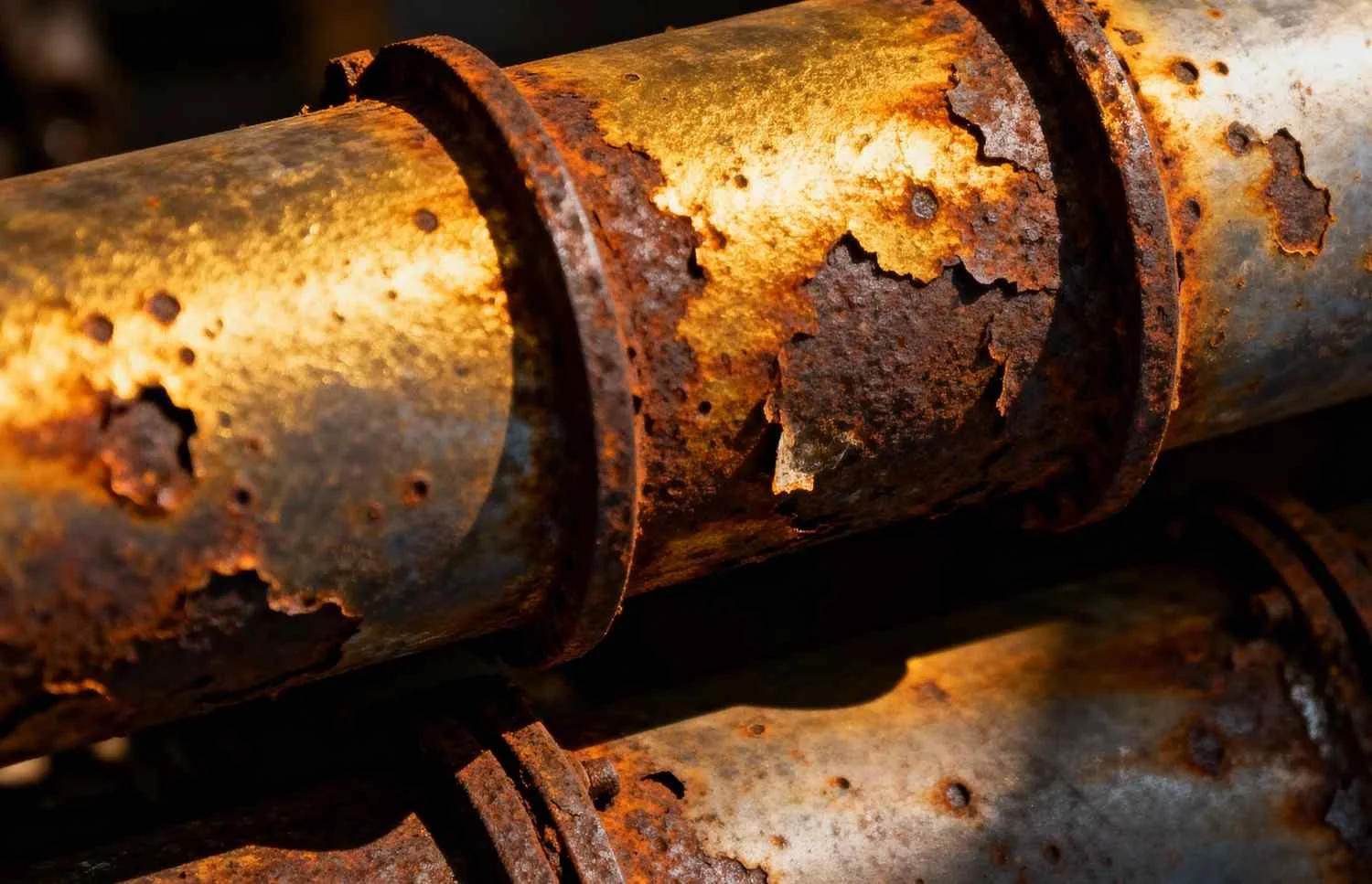
The corrosion process inside corroded pipes is time-consuming. Plumbing materials are continuously exposed to minerals, chemicals, and moisture. This leaves the inside of the pipes covered with rust and accumulation.
Initially, corrosion slightly decreases flow. The harm is cumulative over time, however. Pipe walls will then become thinner and weaker. Very small leaks can occur and go unnoticed behind walls or under floors. Unfortunately, hidden moisture can wreak havoc on flooring, drywall, and insulation.
Known as a “Time Bomb,” corrosion can lead to an emergency plumbing issue down the road.
Older pipes are under tremendous stress when subjected to high water pressure. Newer plumbing systems tend to be more resistant to pressure changes. But pipes under constant stress are less effective.
Damage areas are further weakened with repeated pressure fluctuations. The small cracks then grow rapidly. Pipes can burst at any time. However, many homeowners do not check their home’s water pressure. However, one of the main reasons for plumbing failures is still caused by excessive pressure.
Pressure regulators can take the strain off old piping systems.
Pipes get bigger and smaller with temperature changes. This repeated movement over time causes the plumbing materials to wear. Temperature stress is a particular problem when pipes are old.
These risks are greatly heightened when temperatures get cold. During the winter, water can freeze in pipes. When frozen water expands quickly, it produces a lot of pressure. Any freezing temperatures, no matter how brief, can cause problems in damaged pipes. Small cracks can occur at the outset. Larger failures come later in many instances.
Effective insulation prevents pipes from being affected by weather changes.
Hard water is water that has minerals (such as calcium and magnesium)these minerals build up within pipes over time. Over time, accumulation reduces the pipe’s opening.
Limited water flows cause higher pressure within a structure. This means older pipes are subjected to even greater stresses. Additionally, appliances have to struggle even more to operate due to inefficiency.
Many homeowners notice the pressure is low but don’t think about it. Sadly, mineral buildup is a sign of more severe pipe issues as your pipes age. Frequent pipe cleaning helps remove mineral buildup and prolongs the life of the plumbing system.
Tree roots are easily drawn to older underground pipes. Water will seep out through very small cracks. These are natural water sources that roots will naturally grow towards.
At first, there are small blockages in the root intrusion. Roots grow within the pipes with time, though. At the end of the day, they can destroy damaged sewer systems. The greatest risks are posed by older clay and cast-iron pipes. For older houses, it is therefore particularly important to have a sewer inspection.
Professional inspections help detect damage to underground pipes before they fail.

Homeowners often don’t pay attention to their plumbing until they have a problem. Sadly, abandoned systems wear out more quickly. Minor problems turn into costly repairs. Regular maintenance can help plumbers identify problems early. Plumbing performance is enhanced by drain cleaning, leak check, and pressure testing.
As you begin in the middle of your plumbing maintenance schedule, professional help from plumbing and rooter companies such as Magnificent Plumbing & Rooter can help avoid any crisis. Good plumbers find leaky spots before you can see the problem. They also suggest repairs to prolong the system’s life.
Preventive maintenance dramatically reduces the costs of emergency repair work.
Under the feet of houses, there is always some movement. Soil stability is influenced by heavy rain, drought, and construction in the vicinity. Unfortunately, underground pipes flow with the surrounding soil.
Any ground movement, even the smallest, can cause plumbing lines to become misaligned. Joints in the pipe can start to pull apart over time. Cracks also open more readily when under pressure. Old pipes are less flexible than modern ones. Therefore, they are more impacted by soil movement.
Often, homeowners notice symptoms after significant leaks occur. So, early inspections remain very useful.
Plumbing systems rarely collapse without early symptoms. But homeowners often ignore those warnings.
These issues may seem small initially. However, they are commonly a sign of more extensive plumbing issues. Repairing problems early reduces the need for more extensive repairs later.
Upgrading the old plumbing not only makes the home safer but also more efficient. New system materials are more resistant to corrosion, root intrusion, and pressure damage than older systems.
PEX and modern copper pipe are quite durable. Plus, trenchless pipe repair technology keeps projects running with minimal disruption.
Old plumbing shouldn’t be left to fail. Early replacement will generally be less expensive than emergency restoration after flooding.
Professional guidance also makes a major difference. Magnificent Plumbing & Rooter helps homeowners identify aging pipe risks before sudden failures occur. Timely maintenance and pipe upgrades improve plumbing reliability while reducing costly emergencies.
