Enquire Now



Enquire Now
 Published: June 22, 2026
Last Updated: July 14, 2026
Published: June 22, 2026
Last Updated: July 14, 2026
The majority of homeowners believe their water heater will operate for years without issues. But over the years, unforeseen problems can arise within the tank. Sediment buildup is one of the most common issues. Sediment is not initially noticeable, but it will eventually affect how well water heaters work and lead to higher energy bills.
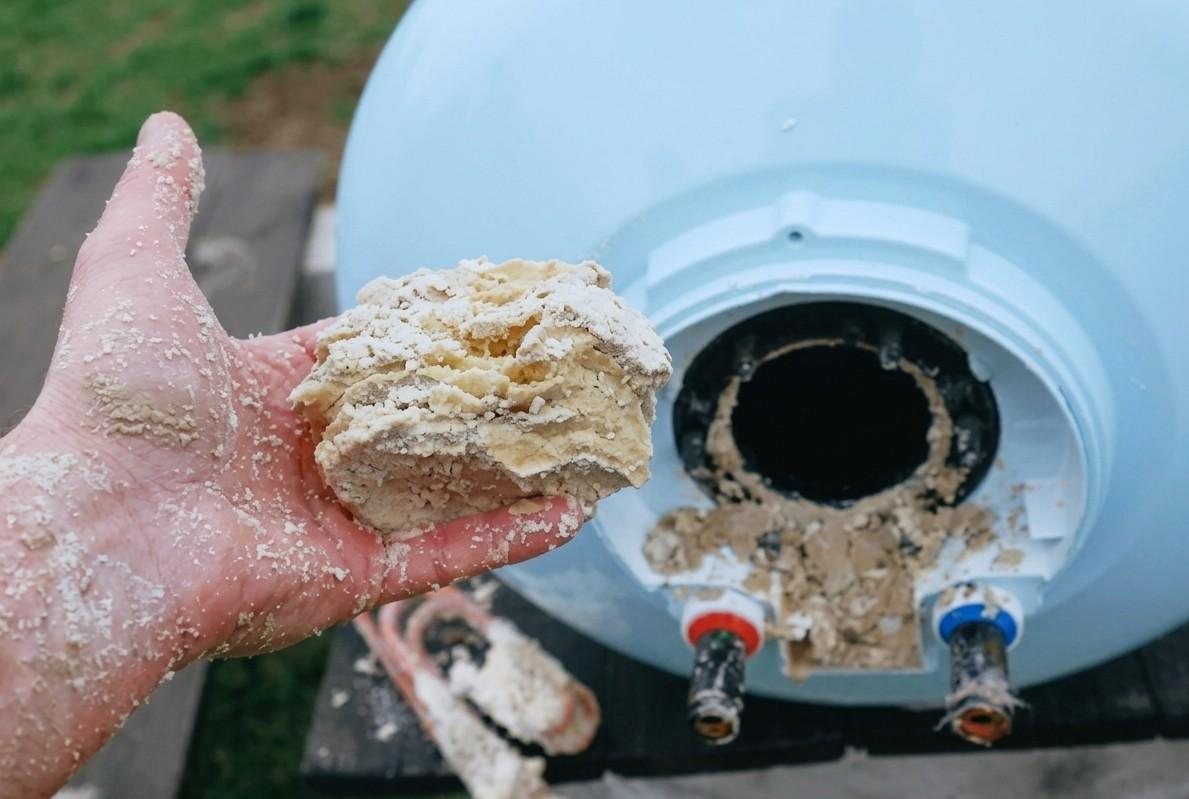
Minerals and impurities in water sources are always being treated in water heaters. When the water is heated, minerals separate and settle at the bottom of the tank. Over time, these deposits form layers of sediment that affect the system’s performance.
Sediment forms gradually, which is why many homeowners are unaware of the signs. However, the harm goes on day by day. Knowing the impact that sediment can have on water heaters can thus help avoid the much more expensive repair or replacement.
Minerals are naturally present in water. Hard water has more minerals, such as calcium and magnesium. The minerals are deposited inside the water heater as the heated water flows through the system.
There are several reasons why sediment will build more quickly:
In addition, larger families will tend to build up faster because the system operates more often. As time passed, small mineral particles were deposited, forming thick layers of sediment. This, in turn, reduces water heater efficiency and performance.
A clean water heater will heat well. The water in the tank can heat rapidly because heat is transferred through the tank. This process, however, is modified by sediment.
Minerals will form a barrier between the burner and the water at the bottom of the tank. This layer forces the system to work harder to heat water effectively.
As a result, several problems can occur:
Additionally, the heating system uses more energy to overcome the sediment barrier.
Many homeowners notice higher utility costs before identifying the actual cause.
Sediment does not stay harmless at the bottom of the tank. Instead, it increases stress throughout the entire water heater system.
The heating element or burner works longer during every heating cycle. Consequently, important components face continuous strain.
This extra workload often causes:
Moreover, overworked components often fail unexpectedly.
Ignoring sediment allows these issues to grow steadily.
Water heaters normally operate quietly. Therefore, unusual sounds often indicate developing issues.
Sediment traps water beneath mineral layers. As trapped water heats, steam bubbles form and move through the buildup.
Homeowners commonly hear:
These sounds may seem minor initially. However, they often indicate growing sediment accumulation.
Furthermore, persistent noise usually suggests the system is working harder than necessary.
Addressing the issue early prevents additional damage.
Many homeowners notice shorter hot water supply before recognizing sediment problems.
Sediment occupies space inside the tank. Therefore, less room remains available for heated water storage.
As sediment grows, homeowners may experience:
Larger households often notice these problems sooner because daily demand remains high.
Midway through solving water heater problems, professional maintenance becomes essential. When homeowners experience plumbing issues, there may be a problem. One of the most important things Magnificent Plumbing & Rooter can help with is alerting homeowners to problems in their plumbing systems before larger failures occur. Frequent testing is used to ensure water heaters are running properly.
Energy use is directly affected by sediment buildup. The heater has to operate more vigorously, using more electricity or gas.
The small efficiency losses might be negligible at first. However, costs increase steadily over months and years.
Higher energy use often leads to:
Furthermore, homeowners may blame utility rate increases rather than check their water heater’s performance.
Routine maintenance helps control these unnecessary costs.

Mineral buildup creates conditions that encourage corrosion inside water heaters. Sediment traps moisture against metal surfaces. Over time, this constant contact increases the likelihood of rust and deterioration.
Corrosion can create serious problems, such as:
Additionally, corrosion often develops slowly and remains hidden until serious damage appears.
Small leaks can eventually become major failures.
Most water heaters provide many years of service when maintained properly. However, neglected sediment buildup significantly shortens equipment lifespan.
The system constantly operates under stress when sediment remains inside the tank. Consequently, components wear out sooner.
Without proper maintenance, homeowners may face:
Replacing a water heater costs much more than regularly maintaining one. Therefore, preventive care remains the smarter financial decision.
Sediment problems rarely disappear on their own. Fortunately, regular maintenance reduces buildup and protects equipment performance.
Property owners should consider these maintenance steps:
Additionally, water softening systems may help reduce mineral accumulation in areas with hard water. Simple maintenance efforts often prevent expensive problems later. Over time, sediment silently undermines the performance of water heaters. It may take a while to get going, but if left unchecked, it can become serious. Untreated sediment buildup can lead to longer heating times, higher energy costs, a lower hot water supply, and equipment breakdown.
Efficiency and system longevity are maintained through regular maintenance. When it comes to repairs, small issues can become costly if left unaddressed.
Magnificent Plumbing & Rooter recognizes the significance of keeping healthy water heater systems. They take care of homeowners to help minimize sediment problems, improve efficiency, and eliminate needless plumbing costs.