Enquire Now



Enquire Now
 Published: December 19, 2025
Last Updated: December 10, 2025
Published: December 19, 2025
Last Updated: December 10, 2025
Rain slides off roofs every season. Most of it disappears into drains. With a few simple plumbing upgrades, that rain can be collected and stored for later use. Homeowners in Sam Ramon and across the entire bay area now look at rainwater harvesting systems as a practical way to save water and protect yards. The idea feels simple, yet each home needs the right steps to make it work well.
Rainwater helps cut daily use from the main water supply. Plants love it because rainwater is softer compared to harder tap water. Although saving money feels nice, the bigger benefit comes from knowing that stored water stays ready during dry spells. With careful planning, even small systems make an impact.
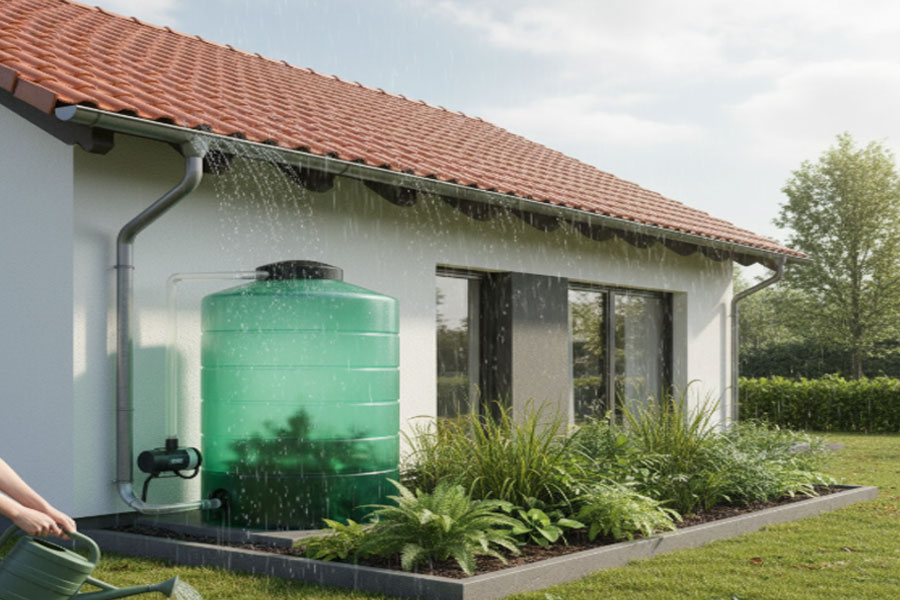
Most setups begin at the roof. A rooftop system needs a few key parts that move water from the roof into holding containers. The main parts are:
Each part matters for safe use and long life. If the collected water has to touch edible plants, make sure that every tank or barrel is food grade.
Storage planning begins with the roof. A quick measurement helps estimate how much rain the home can capture. Length multiplied by width shows the square feet of the area. That number matters because one inch of rain on each square foot gives about 0.6 gallons. A roof of 1,000 square feet delivers hundreds of gallons during a single rainfall. This amount guides what size tank fits the yard.
Although some homes have limited space, even one barrel makes a difference. When more room is available, homeowners often add linked tanks. These tanks sit near the downspout because shorter pipe runs work better.
Some upgrades make systems safer and more reliable. These changes need basic plumbing skills. Hire a licensed plumber when unsure. Suggested upgrades include:
These upgrades keep systems clean and ready to use.
Stored rainwater helps in many outdoor tasks. It works well for plants, lawns, and outdoor cleaning. Since there aren’t any additives, plants actually tend to thrive with it.
Before drinking it, set up a good filtration and treatment system. Always test treated water before drinking. When there is some sort of doubt, make sure you use rainwater for non-potable needs only.
Maintenance matters because clean systems work longer. Leaves accumulate during windy days, so gutters need regular checks. Tank openings should stay clear. Seals and fittings must stay tight to avoid leaks. These quick tasks take minutes and keep the entire setup stable.
The stored water also stays cleaner when tanks are closed tightly. Yearly cleaning helps prevent buildup and keeps insects away.
Every home has diverse needs. Before buying parts, check this list:
This checklist keeps purchases focused and useful.
Using stored rainwater reduces pressure on community systems. It also limits runoff that erodes soil during heavy rain. With careful planning, water stays available even when supply lines slow down. Some homes feel more secure knowing a ready source sits outdoors, waiting for the next use. That peace of mind grows over time, especially during hot months.
The process feels simple, yet it turns wasted rain into a lasting resource.

Rainwater Harvesting works well when the roof is clear, the gutter and downspout are clear, and the storage container is located somewhere convenient. Every setup benefits from food grade parts when used for gardens. Raising the container helps with water pressure. Regular checks keep the entire system safe. Most of all, each drop saved helps stretch resources through changing seasons.
Magnificent Plumbing & Rooter helps homeowners set up safe and effective systems. The team checks the roof area, plans the right container size, and installs the plumbing upgrades that keep water flowing well. If you want a trusted partner to guide the process, reach out to the team today and start collecting rainwater with confidence.
Contact Magnificent Plumbing & Rooter to learn which rainwater harvesting systems work best for your yard. The team reviews storage tanks, flow paths, and long-term needs. Start now and enjoy the benefits of smart water saving all year.